Greek animation and mythology
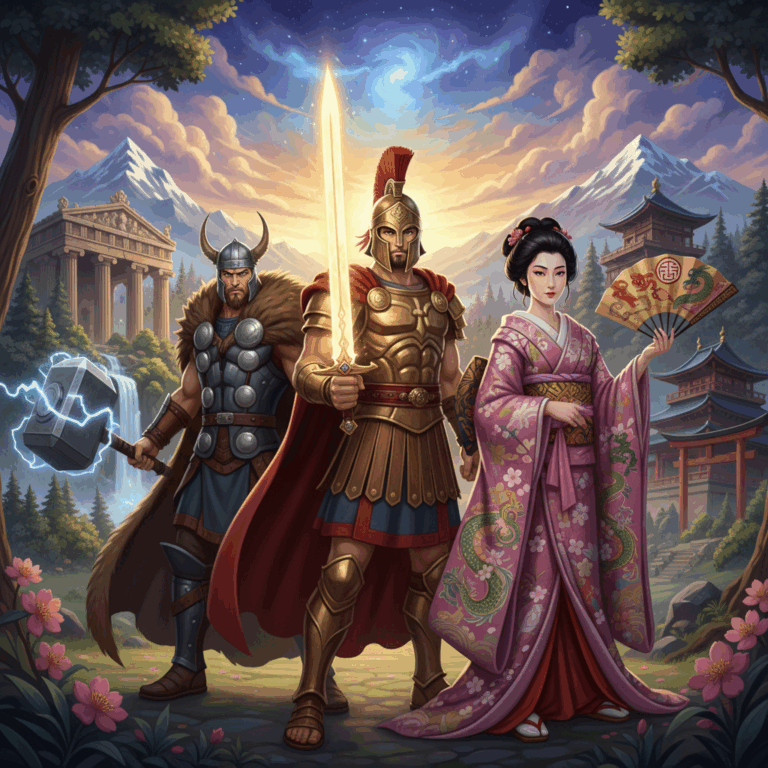
The greek mythology it is a recurring source in animation, mixing ancient traditions with modern techniques to captivate the public. These stories allow us to revive eternal myths.
Many animated productions stand out for incorporating gods, heroes and classical creatures as a basis for exciting and educational narratives, connecting audiences with Greek culture.
Featured Movies: ENCIPatti and the Fury of Poseidon
ÎPatti and the Fury of Poseidon stands out as a record-breaking independent animated film in France, showing an epic adventure in ancient Greece. Its protagonist is Patti, a young super-intelligent mouse.
Directed by David Alaux, this film integrates gods such as Poseidon and Zeus, as well as mythological creatures like the Cyclops, combining classic elements with charming animal characters.
The story revolves around saving the city of Yolcos from destruction, showing how mythology can be adapted for a family audience while maintaining the essence of Greek myths.
Influence of Disney and anime series
Disney popularized Greek mythology in animation with its film Hercules, which combines a vibrant style and humor to introduce new generations to these myths.
Additionally, the anime includes numerous series that explore Greek themes and characters, integrating myths into modern contexts and offering fresh and dynamic versions for viewers.
These influences show animation's ability to keep mythological stories alive, making them continue to be relevant and attractive in current popular culture.
Nordic mythology in animated productions
The norse mythology it offers a fascinating world of gods and creatures that have inspired numerous animated productions around the world. Its cultural richness is ideal for visual storytelling.
Recent animations explore these legends and characters, giving life to stories that mix adventure, mystery and supernatural elements characteristic of this mythology.
Gods and main mythological figures
The best-known gods in Norse mythology include a Odin, the wise father of all, Thor, god of thunder, and Loki, the trickster trickster. They are figures that dominate a large part of the stories.
Also, figures like the wolf Fenrir, the hero Sigurd and the snake Jormungandr they bring depth and variety to these legends, embellishing the narrative with symbolism and eternal conflict.
These characters represent powerful concepts such as destiny, strength and chaos, and are an essential part of myths that explore the end of the world, known as Ragnarok.
Examples of animes with Nordic elements
Some recent animes incorporate Nordic elements into their plot, mixing them with other mythologies to create varied and complex universes that attract different audiences.
Productions like Kamigami not Asobi they feature characters based on Norse gods, integrating them into school stories with modern interactions and personal conflicts.
Besides DxD High School he uses gods and creatures from this mythology to enrich his plot, combining action and fantasy in contemporary and mythological contexts.
Japanese mythology in animation
The japanese mythology it is essential in many animated productions, especially those made by Ghibli Studios, which stand out for integrating its elements into captivating stories.
These narratives explore the presence of kami, oni and youkai, essential figures that reflect traditional Japanese beliefs, and allow culture to be transmitted visually and symbolically.
Role of Ghibli Studies and mythological concepts
The Ghibli Studios they are pioneers in animation that incorporates concepts from Japanese mythology, addressing topics such as the connection between humans and spirits in a world full of symbolism.
Films like Spirited Away exemplify the use of mythology, presenting spirits and deities that come together with everyday life, showing deeply rooted values and traditions.
In addition, Ghibli use elements such as oni and youkai to generate mysterious and fantastic atmospheres that enrich the emotional and cultural experience of the viewer.
His approach combines respect for tradition with originality in animation, creating works that are both a tribute to mythology and a window into its contemporary reinterpretation.
Contemporary importance of animated mythology
Mythology-based animation continues to be relevant in connecting ancient cultures with modern audiences through engaging and immersive visual narratives.
These adaptations allow us to preserve traditions, generate appreciation for cultural heritage and revitalize ancient stories with a contemporary and universal perspective.
Cultural effect and current popularity
Animated productions that integrate mythologies influence popular culture, reinforcing collective identity and expanding access to classical sources in an entertaining way.
The popularity of these stories does not wane, as they communicate universal values and archetypes that continue to resonate strongly with global audiences of all ages.
Additionally, these works foster interest in history and culture, serving as an educational bridge that combines entertainment with learning.
Universal themes in animated mythologies
Topics such as heroism, the struggle between good and evil, destiny and personal transformation are recurring and easily adapt to different cultural contexts.
These timeless questions allow mythological stories to remain relevant and serve as a mirror for exploring human dilemmas in novel and exciting ways.
Animation enhances the representation of these themes through symbolic images, facilitating a deep emotional connection with the viewer.