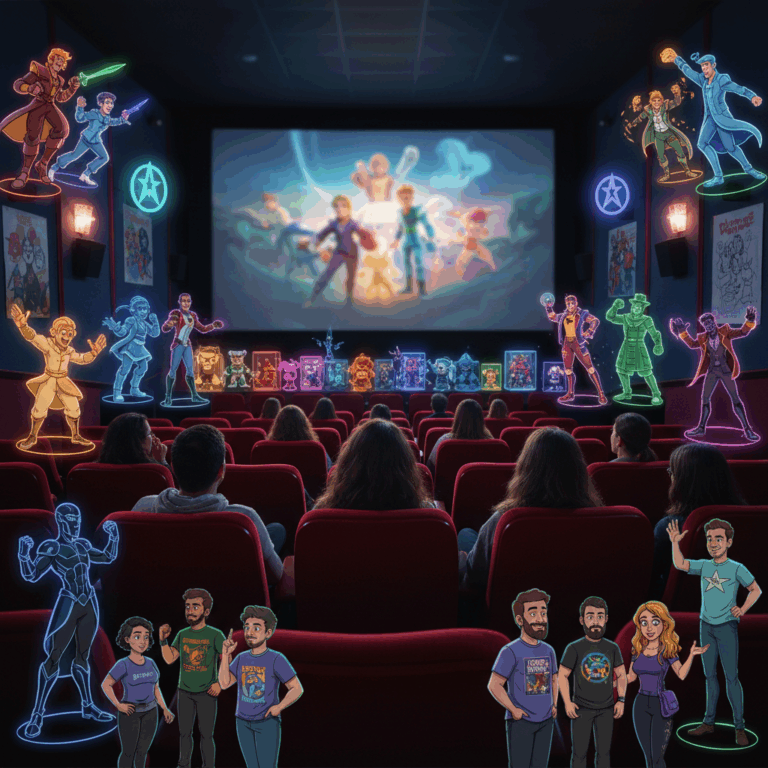
Business failures and subsequent success
Several animated films have failed at the box office but have reached a cult status over time. Economic success does not define your cultural value.
These films are often claimed by critics and fans due to their artistic quality and complex narrative. They are a clear example that the box office does not measure relevance.
Animated films with poor performance at the box office
Emblematic films, such as 'The Iron Giant', suffered serious economic losses, with revenues well below their budget. However, they achieved later recognition.
Other films such as àsthe treasure planet armen and àtitán AE armen did not convince the initial audience, but stood out for their visual innovation and mature themes, which gave them prestige.
The technical quality of works such as ÎKubo and the two magic strings arse also did not guarantee immediate commercial success, but their visual richness stabilized them as cult titles.
Cultural recognition and criticism over time
Over the years, films such as à el gigante de iron armen were valued by critics for their narrative and complex characters, elevating them to the category of modern classics.
The cultural impact has far outweighed the initial financial failure, as these films inspire new generations of filmmakers and expand the boundaries of animation.
Furthermore, technical innovation and creativity in the visual approach have made these works vindicated in academic circles and among fans of the genre.
Emblematic examples of cult animated films
The Iron Giant: complex narrative and characters
The Iron Giant it is a clear example of a film that failed at first, but gained recognition thanks to its deep story and well-developed characters. Its narrative invites us to reflect on friendship and humanity.
Despite its poor performance at the box office, the delicacy with which complex topics are addressed and its empathy generate a lasting connection with the public that constantly rediscovers it.
Treasure Planet: fusion of science fiction and adventure
This film combines classic adventure with science fiction elements, creating a unique visual universe that was initially not well received. Its innovative proposal defied public expectations.
Over time, it stands out for its artistic design and narrative that mixes action and exploration, consolidating itself as a work valued by film buffs and animation experts.
Titan AE: bet on mature science fiction
Titan AE. it represents a challenge due to its adult approach and mix of 2D animation with digital effects. Its futuristic and complex story was not understood at launch, but has gained admiration over the years.
The originality of the plot and its visionary aesthetics have influenced the development of science fiction within animation, turning the film into a reference for contemporary creators.
Kubo and the two magic strings: sophisticated stop-motion animation
This work stands out for its exquisite stop-motion animation, which combines tradition and technology to tell an emotionally rich and visually striking story. Despite positive reviews, it was not a commercial success.
As time goes by, Kubo and the two magic strings it has been recognized for its visual beauty and narrative depth, securing its place in current animation as a cult film.
Rediscovered classics and their impact
Some animated films that were not initially successful have been rediscovered and valued for their unique innovation and style. These classics offer new perspectives to viewers.
Its influence transcends time, demonstrating that commercial reception does not always measure the true cultural or artistic impact of a work.
Fire and ice: rotoscoping technique and originality
Fire and ice it is a film that used the rotoscoping technique, allowing for more fluid and realistic animations, although it was not appreciated at its premiere.
His visual and narrative style continue to be admired today, showing how originality can be ignored initially but valued over time.
This technique helped create a unique environment and aesthetic that influenced animators interested in experimenting with new artistic forms.
Atlantis and Tarón: narrative and aesthetic risks
Movies like Atlantis: The lost empire and Tarón and the magic cauldron they took risks in both narrative and visual design, which initially made their acceptance difficult.
Over the years, their commitment to telling different and stylistically bold stories has made them valuable for fans looking for unusual proposals.
Both works are recognized for challenging the conventions of traditional animated cinema, leaving a legacy that inspires creativity and originality.
Importance of cultural legacy over economic success
The value of a film is not measured only by its collection, but by its cultural impact and its ability to transcend generations. The artistic legacy endures longer than the numbers.
Many animated films that failed at the box office today are considered cultural references, thanks to its innovation and inspiration for future film creators.
Artistic quality and visual innovation as enduring values
The artistic quality and the visual innovation they are elements that ensure the relevance of a film over time. These characteristics are usually valued beyond commercial success.
Films such as àThe iron giant armen or àjKubo and the two magic strings armen stand out for their unique visual design and complex narratives, which turn them into timeless works.
Technical and aesthetic experimentation allows these films to remain current and appreciated in different cultural and temporal contexts.
Influence on new generations of filmmakers and creators
The cultural legacy of these films inspires new generations of filmmakers and artists, who find in them models of creativity and narrative courage.
Many technical and thematic innovations that have emerged in these films have set trends and opened paths for the evolution of animation.
Thus, the initial economic failure does not limit the ability of these works to transform the industry and enrich the repertoire of animated cinema.