Impact and legacy of songs from famous musicals
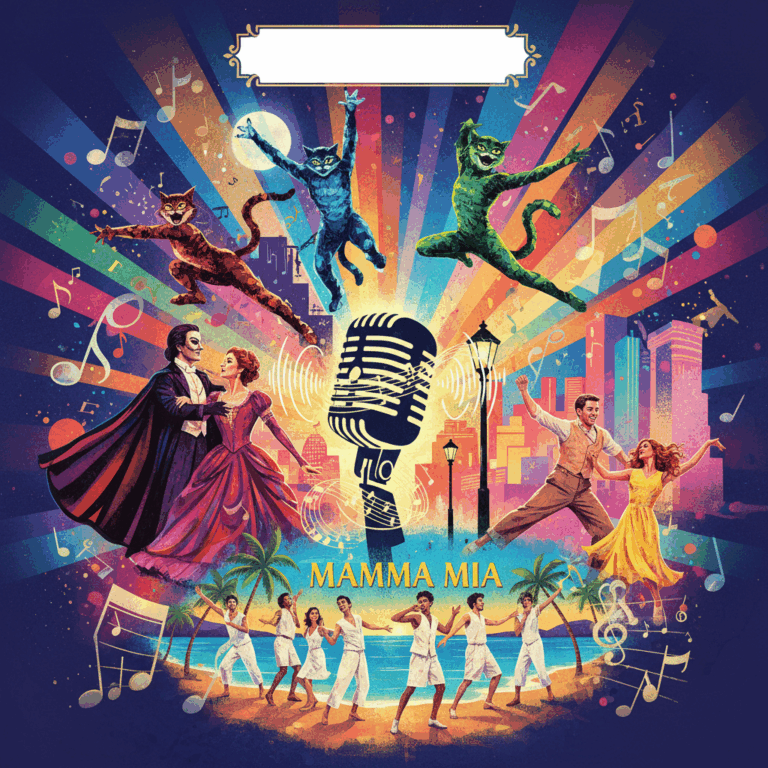
Songs from famous musicals have a deep impact in popular culture, evoking emotions that last over time. They have created indelible moments in the history of cinema.
These songs not only accompany scenes, but are integrated into collective memory, defining eras and connecting generations through their unforgettable lyrics and melodies.
Cultural and emotional importance of songs
Songs from musicals are vehicles of emotions that they transcend the screen and they become cultural symbols full of meaning. They capture dreams, hopes and human stories.
Their value goes beyond entertainment, as they promote collective identity and accompany key moments in the audience's life, reinforcing unique emotional experiences.
Thanks to its ability to connect with the public at the level emotional and cultural, these songs become anthems that endure and are reinvented with each generation.
Universal classics and their influence on cinema
Songs like ÉSSomewhere over the Rainbow after The Wizard of Oz they have become true universal classics, inspiring filmmakers and viewers since the 20th century.
These themes have shaped the musical genre and its presence in cinema, demonstrating that music can be a fundamental part of the narrative and atmosphere of a film.
Examples such as ésSinging in the Rain armen and ésSinging in the Rain arson have left an indelible mark, showing how music accompanies the evolution and rebirth of musical cinema.
Iconic songs from classic and modern musicals
Songs from classical and modern musicals have become authentic symbols, representing universal eras and emotions. These melodies remain current in popular culture.
From themes loaded with symbolism to contemporary hits, these songs offer a unique window to understand the evolution of the genre and its power to excite audiences.
ÉSomewhere over the Rainbow armband and its symbolism
ÎSomewhere over the Rainbow arson is an iconic song that symbolizes hope and longing for a better world, masterfully performed by Judy Garland in 1939.
Its melody and lyrics invite you to dream, connecting with the public on a deep level. It has transcended cinema to become a global anthem of inspiration and desire.
This song marked a before and after in musicals, consolidating The Wizard of Oz as a timeless gem that has influenced many generations.
ÉSSinging in the Rain, the last and optimism in Hollywood
ÎSSinging in the Rain arson represents the optimistic spirit of classic Hollywood cinema with its upbeat pace and the infectious energy of Gene Kelly in the rain.
The song synthesizes the magic of the musical, showing how happiness can be found even in difficult and rainy moments, being a symbol of joy and resistance.
This iconic issue has become a permanent reference, reminding audiences of cinema's ability to convey positive emotions and hope.
ÉNI Don't Want to Miss a Thing arse and contemporary hits
With ÎdeI Don't Want to Miss a Thing, cinema showed that it can also generate modern anthems that achieve worldwide popularity, even outside the pure musical genre.
Performed by Aerosmith for Armageddon, this rock ballad highlights the power of music to intensify emotional scenes and connect with global audiences.
Its success confirms that songs associated with films can cross stylistic boundaries, fusing cinema and contemporary music.
àsthe cycle of life has passed and the rebirth of the animated musical
àsthe cycle of life ar, by The Lion King, symbolizes the rebirth and transcendence of the musical in modern animation, with a striking opening composed by Elton John and Tim Rice.
This song accompanies a story of hope and continuity, positioning itself as a fundamental pillar in the evolution of musical animated cinema.
Its success demonstrates how original themes can contribute to the emotional depth and rebirth of a genre that continues to conquer new audiences.
Other essential songs of musical cinema
In addition to the best-known classics, there are songs that have marked the history of musical cinema with their unique beauty and meaning. These pieces have remained engraved in the collective memory.
Themes like ÎMoon River arson and ÎMAs Time Goes By arson are iconic examples that illustrate how music can elevate a film, becoming deep and lasting cultural symbols.
Emblematic themes like ÚNMoon River arson and ÚNAs Time Goes By armen
ÎMoon River arre, performed by Audrey Hepburn in Breakfast at Tiffany's, stands out for its sweet and nostalgic melody that evokes dreams and desires with great delicacy.
The song, created by Henry Mancini and Johnny Mercer, has become a timeless standard that transcends the film, symbolizing the search for freedom and hope.
On the other hand, àstas Time Goes By Fren gained worldwide fame thanks to Casablanca, where its link with romanticism and memory makes it a perennial anthem of classic cinema.
Its lyrics and melody capture the essence of eternal love, consolidating itself as an unmistakable theme that excites entire generations.
Disco music classics and emblematic musicals
Disco music has also left a deep mark on musical cinema, with themes that defined an era and brought energy and rhythm to cinematographic narrative.
ÎStaying Alive Saturday Night Fever Fever by the Bee Gees is perhaps the most iconic example; Its vibrant pace and message of perseverance reflect the spirit of the 70s.
This song not only enlivened the dance floor, but became a cultural symbol of resilience and self-affirmation on and off screen.
Along with it, other classics such as echeek to Cheek armen and echeThe Sound of Music arson enrich the genre, demonstrating the diversity and richness of music in musicals.
Evolution and diversity of the musical genre in cinema
The musical genre in cinema has experienced one constant evolution, mixing traditional styles with contemporary innovations. This diversity has enriched the audiovisual experience.
New trends include fusions with modern genres and the exploration of more varied narratives, keeping interest in musical cinema alive in different generations.
Innovations and contributions of contemporary music
Contemporary music has brought freshness to the musical genre, incorporating current sounds that better connect with young audiences and expand the stylistic range of cinema.
Composers and artists have experimented with genres such as pop, rock and electronic, creating soundtracks that innovate without losing the emotional essence of the classic musical.
These new proposals also help reflect current cultural and social diversity, making musicals more inclusive and relevant to modern audiences.
Presence of independent proposals and animation
Independent musicals and animated productions provide a fresh and creative vision, exploring themes and styles outside the traditional commercial circuit.
In animation, original songs stand out that enhance the narrative and emotional, as in the rebirth of the animated musical with works that challenge the limits of the genre.
Innovation in musical animation
Animation allows creative freedom to integrate music and narrative in unique ways, boosting the genre with visually striking stories and memorable melodies.
This combination has revitalized musicals, attracting both children and adults, and demonstrating the versatility of musical cinema in varied formats.