The role of soundtracks in cinematographic nostalgia
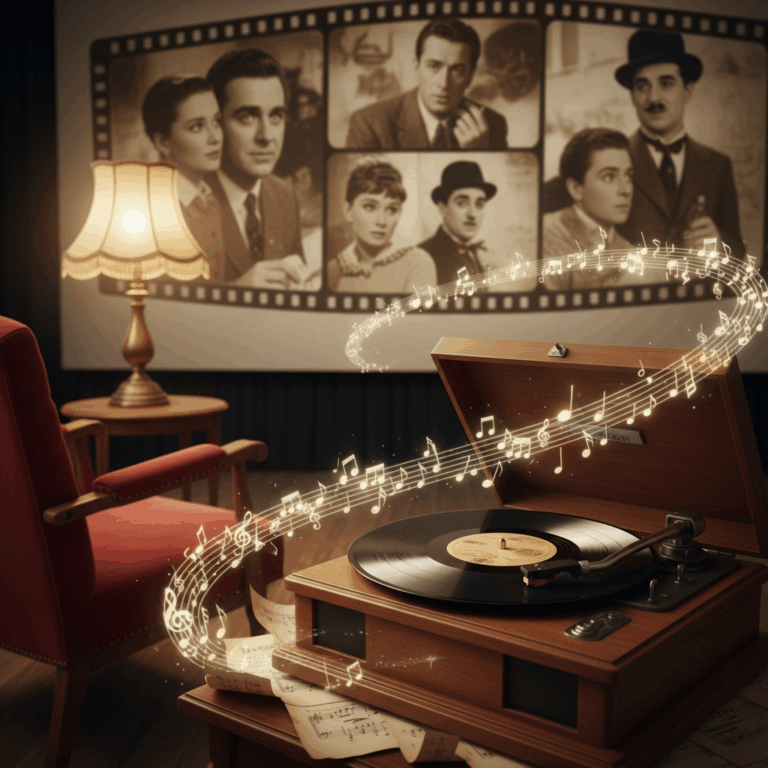
The soundtracks they play a fundamental role in creating nostalgia in cinema. They are capable of evoking deep and lasting emotions in the viewer.
Through melodies and songs, the music underlines the emotional tone of the scenes, strengthening the emotional bond between the film and the audience.
From classic cinema to modern productions, nostalgic soundtracks remain in the collective memory, becoming unmistakable cultural symbols.
Emotional function of music in cinema
Music in film has the ability to intensify emotions, immersing the audience in the narrative atmosphere and amplifying the dramatic impact.
Emblematic themes, such as those of “What the wind took away” or “Casablanc”, accompany and deepen the feeling of melancholy and lost love, consolidating its emotional value.
Additionally, music can transform simple scenes into memorable moments, making the viewer remember and feel the film long after watching it.
Connection between music and collective memory
Songs and cinematographic compositions are installed in the collective memory, generating an emotional language shared between generations and cultures.
Soundtracks such as “Carros de fuego” or “Singing in the rain” evoke not only the film, but also eras and feelings associated with them.
This connection allows music to act as a reference point that unites personal memories with global cultural experiences, thus fostering nostalgia in cinema.
Evolution of nostalgic songs in classic and modern cinema
The evolution of the nostalgic songs in cinema it reflects cultural and technological changes, but always maintains its power to evoke deep emotions in the public.
From iconic pieces of classic cinema to contemporary tunes, music has been crucial in connecting generations through shared memories and universal feelings.
This development shows how cinematic nostalgia adapts and reinvents itself, maintaining its essence in each era and musical style.
Emblematic soundtracks of classic cinema
Classic cinema offers soundtracks that have become true symbols of nostalgia, such as Max Steiner's compositions for “Gone with the Wind” and “Casablanc””.
These themes not only accompany the narrative, but also encapsulate the era and feelings, creating an emotional bond that lasts over time.
Musically, these pieces stand out for their ability to mix melancholic and epic melodies, which continue to evoke similar sensations despite the passing of the years.
Impact of compositions on musical Hollywood
Musical Hollywood was a big driver of nostalgic music, with catchy melodies and optimistic lyrics that are still fondly remembered, such as “Singin' in the Rain”.
These compositions convey joy and longing at the same time, celebrating the golden age of cinema with songs that have become cultural anthems.
Their impact goes beyond entertainment, as they generate an emotional connection that transcends generations and reinforces the American cinematographic identity.
Examples of nostalgic music in contemporary cinema
In contemporary cinema, nostalgic music adapts to new styles, as in “Past Lives”, where classical instruments accompany universal emotions and personal memories.
These modern examples combine traditional and current elements, creating soundtracks that invite reflection and reunion with the past.
Thus, musical nostalgia continues to be a vital tool for current cinema, strengthening stories and emotional connection with the public.
Essential composers of nostalgic cinematographic music
Two of the most influential composers in nostalgic film music are John Williams and Ennio Morricone. His works have marked generations and created sound icons.
These composers have managed to transfer deep emotions through their scores, and their melodies remain in the emotional memory of the viewers.
His legacies are fundamental to understanding how music enhances the nostalgic experience in different film genres.
Contributions from John Williams and his sound legacy
John Williams is recognized for creating epic melodies that generate a strong emotional connection, as in “Star Wars”, which evokes nostalgia and adventure for multiple generations.
His compositions transform scenes into memorable moments and convey complex emotions, from the tension of “Tiburón” to the magic of “Harry Potter”.
Williams' legacy lies in his ability to combine grandiose orchestrations with accessible themes that remain in popular culture.
His music not only accompanies the image, but also acts as an emotional bridge to the cinematographic past.
Influence of Ennio Morricone on spaghetti westerns
Ennio Morricone defined the sound of spaghetti westerns with iconic compositions, particularly in “The good, the ugly and the bad”, which evoke desert landscapes and dramatic tensions.
His unique style combines traditional instruments and unconventional sounds, creating sound atmospheres that endure in the collective memory.
Morricone's music not only supports the visual narrative, but also evokes a deep nostalgia for an era of cinema that seems distant.
His work continues to be a reference for many filmmakers and musicians, keeping the spirit of the western alive in contemporary culture.
Importance and effects of music on the cinematographic experience
The film music it is key to evoking memories, creating emotional bonds and deepening the connection between the viewer and the story.
More than accompanying images, music transforms the experience, allowing each scene to be recorded in memory thanks to the emotion it generates.
Its influence extends beyond the film, since those nostalgic melodies guide the audience towards personal sensations and memories that enrich the narrative.
Evocation of memories and creation of emotional bonds
The music acts as a trigger for memories, transporting the viewer to past moments and generating strong empathy with the characters and the story.
Nostalgic compositions create emotional bonds that make films remain in the hearts of the public, consolidating their cultural value.
This power to connect past and present intensifies the cinematic experience, making each note reinforce the impact of images and scenes.
Transformation of emotion into nostalgia through music
Music has the ability to turn intense emotions into nostalgia, transforming fleeting sensations into lasting and meaningful memories.
When listening to a soundtrack, the viewer relives the associated feelings, multiplying the emotional depth and the feeling of longing.
Thus, music not only accompanies the narrative, but is a bridge that connects current emotions with past memories, enriching the perception of the film.