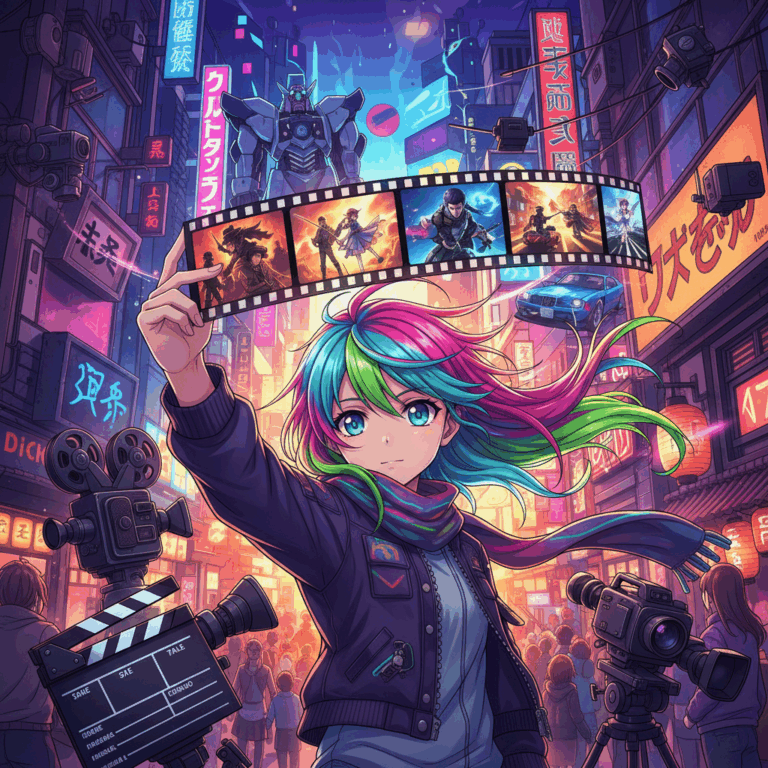
Featured Japanese animated cinema
Japanese animated cinema is recognized worldwide for its artistic and narrative quality. These films offer a diversity of styles and themes that deeply impact fans.
Emblematic titles have marked historically the genre, creating cultural legacies that transcend generations and borders. Its influence is observed in the globalization of anime.
Among its main contributions are technical innovation and the exploration of complex realities, which makes this cinema a unique visual and emotional experience.
Emblematic works and their cultural impact
Films like “The Journey of Chihiro” and “Akira” are references that changed the world perception of anime. Its success has driven greater recognition of Japanese cinema.
These works mix mythology, science fiction and social criticism, generating a cultural impact that goes beyond entertainment, influencing fashion, art and global narrative.
Furthermore, narratives such as those in “The Grave of the Fireflies” and “My Neighbor Totoroc” introduce deep emotional themes, bringing the audience closer to reflections on life, war and nature.
Themes and techniques in Japanese animation
Japanese animation covers themes ranging from pure fantasy to psychological drama, using innovative techniques that combine traditional drawing and digital technology.
Directors explore complex worlds with detailed strokes and an expressive color palette that delves into the atmosphere of each story, intensifying the viewer's experience.
This tonal and visual diversity allows us to address delicate themes such as war, disability and human relationships, giving richness and variety to the genre.
Live-action movies based on anime and manga
Live-action films have gained popularity by adapting successful mangas and animes, attracting fans and new audiences alike.
These productions expand the original universes, offering a different perspective with real actors and tangible settings.
Live-action represents a way to experience classic stories with a new visual and narrative dimension.
Successful adaptations and their popularity
Films such as “Rurouni Kenshin” and “Assassination Classroom” have been acclaimed for capturing the spirit and essence of his original works.
The success of these adaptations lies in respecting the plot and characters, while offering visual effects that impact the viewer.
These films attract both anime fans and those who enjoy action and drama films, expanding their audience.
Challenges in translating anime into live action
Transferring the unique aesthetic of anime to real actors and settings is a challenge, as it involves adapting very specific visual and narrative styles.
Sometimes the complexity of fantastic or stylized elements makes loyalty difficult and generates criticism among fans.
However, achieving a balance between authenticity and creativity is key to the success and acceptance of these productions.
Iconic titles and thematic diversity
In addition to “Rurouni Kenshin”, titles such as “Kingdom” and “Death Note” show the variety of genres that live-action addresses from action to psychological thriller.
This diversity allows you to explore different universes, from feudal Japan to futuristic or school settings, expanding the scope of anime.
Thus, live-action is positioned as a vital complement for fans who want new experiences within their favorite stories.
Value and reception of both formats
Animated and live-action films bring different dimensions to the anime universe, enriching the viewer's experience.
Both formats summarize and expand the original worlds, offering new perceptions and valuing different narrative and visual aspects.
The interaction between animation and live action allows fans to enjoy their favorite stories from complementary approaches.
How they complement the anime experience
The animation maintains the visual and narrative essence of the anime, highlighting its unique style and thematic depth, which strengthens the emotional connection.
Live-action, for its part, translates that world into a more tangible context, allowing you to see characters and environments with real actors and practical effects.
This combination expands the forms of artistic and narrative experimentation, offering a more complete and dynamic experience to viewers.
By combining both formats, fans can explore the stories from different perspectives, enriching their understanding and enjoyment.
Importance for anime fans
Japanese films, both animated and live-action, are essential for anime fans because they expand the understanding and enjoyment of their favorite universes.
Through these productions, fans can explore new angles and delve into stories that complement and expand the original stories.
This enriches the experience beyond the series, adding visual and narrative dimensions that strengthen the connection with the genre.
Exploration of universes and new perspectives
The films allow fans to experience familiar stories from different perspectives, exploring details and characters that the original format does not always manage to show.
Additionally, these films often open doors to expanded or reinterpreted worlds, offering creative innovations that keep interest in the franchise alive.
This deep exploration strengthens the emotional bond with the works, providing them with added value and greater narrative complexity.
Thus, fans enjoy innovative experiences that complement what is already known, keeping the fascination with anime constant.
Narrative and visual enrichment of the genre
Japanese films provide superior visual and technical quality that in many cases surpasses television installments, achieving a significant artistic impact.
Narratively, they allow plots to be developed in greater depth, exploring complex emotions and conflicts that enrich the genre and its scope.
This enrichment helps followers recognize animation and live-action as robust and mature forms of cultural expression.